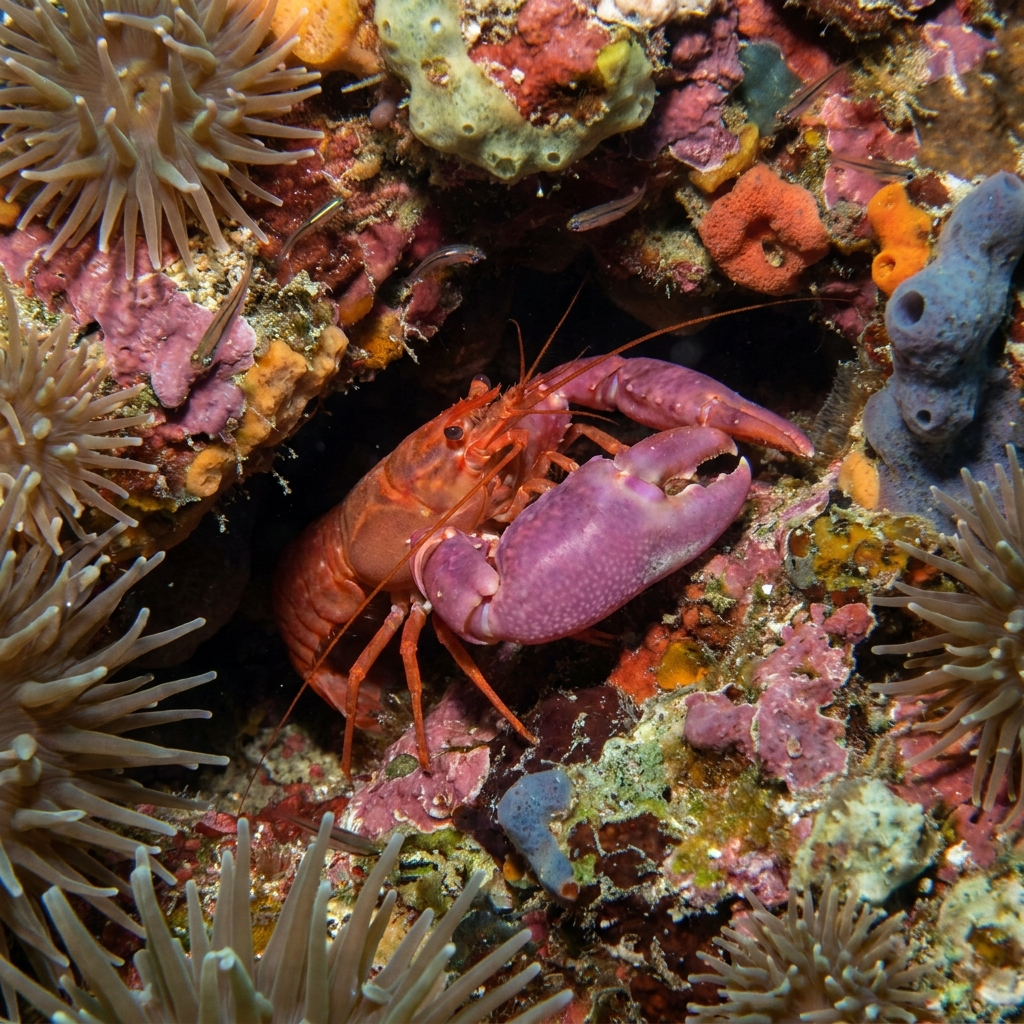
The Pistol Shrimp's Snap Creates a Bubble Hotter Than the Sun's Surface
A pistol shrimp snapping its claw creates a 5,000-Kelvin cavitation bubble and a shockwave louder than a gunshot. The physics of sonoluminescence explained.
Octopus camouflage. Mantis shrimp vision. Axolotl regeneration. Surprising, peer-reviewed facts about how animals really work — written for the merely curious, not the already-expert.
A pistol shrimp snapping its claw creates a 5,000-Kelvin cavitation bubble and a shockwave louder than a gunshot. The physics of sonoluminescence explained.
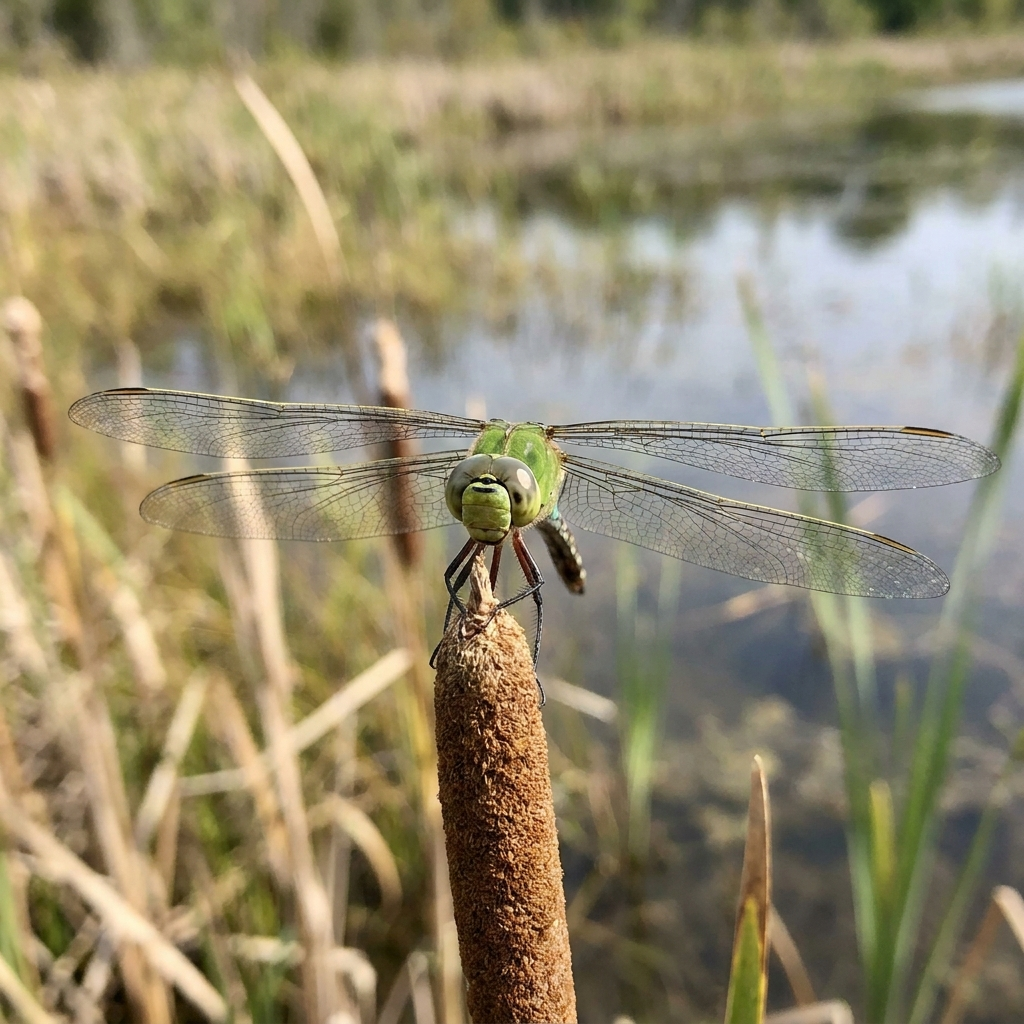
Dragonflies catch over 95% of prey attempts — the highest success rate of any predator studied. The neuroscience and flight mechanics that make them lethal.
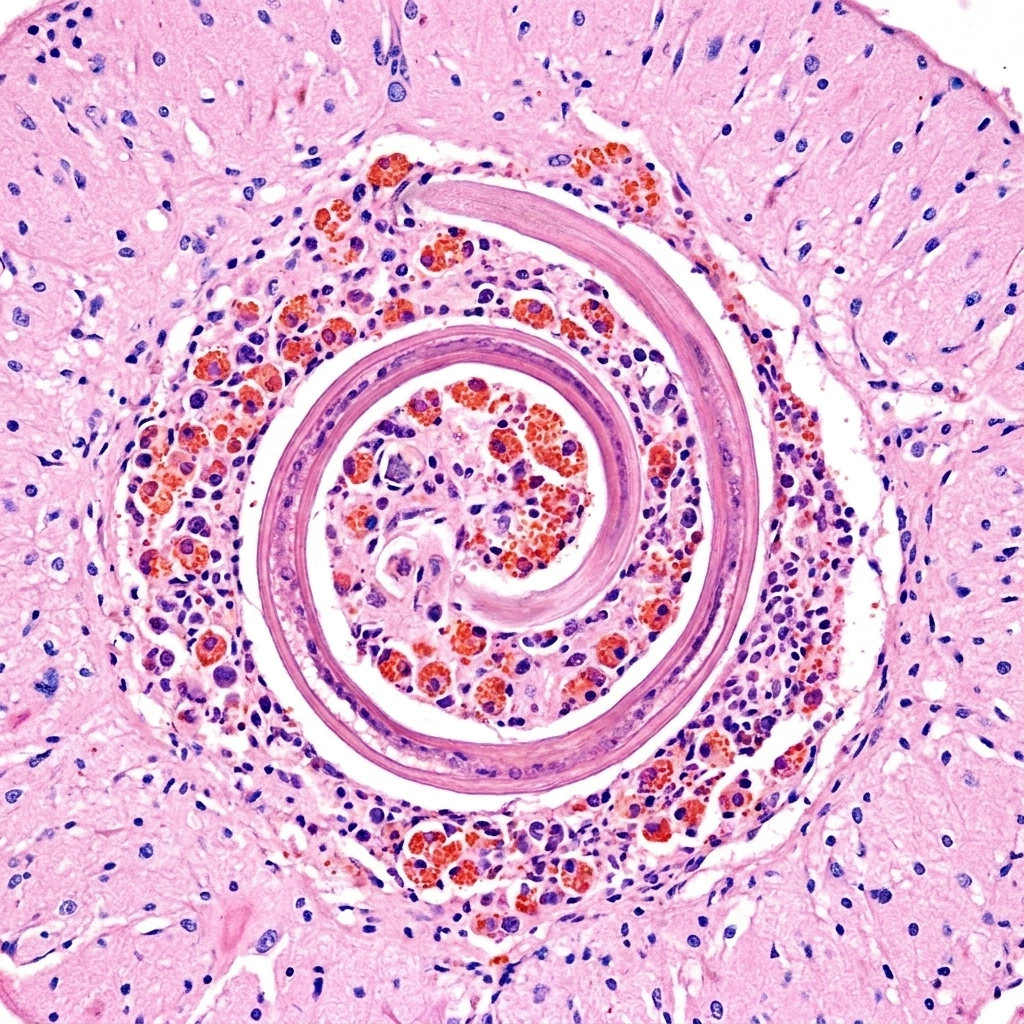
Angiostrongylus cantonensis, the rat lungworm, is the leading global cause of eosinophilic meningitis. How a worm meant for rat lungs ends up in human brains.
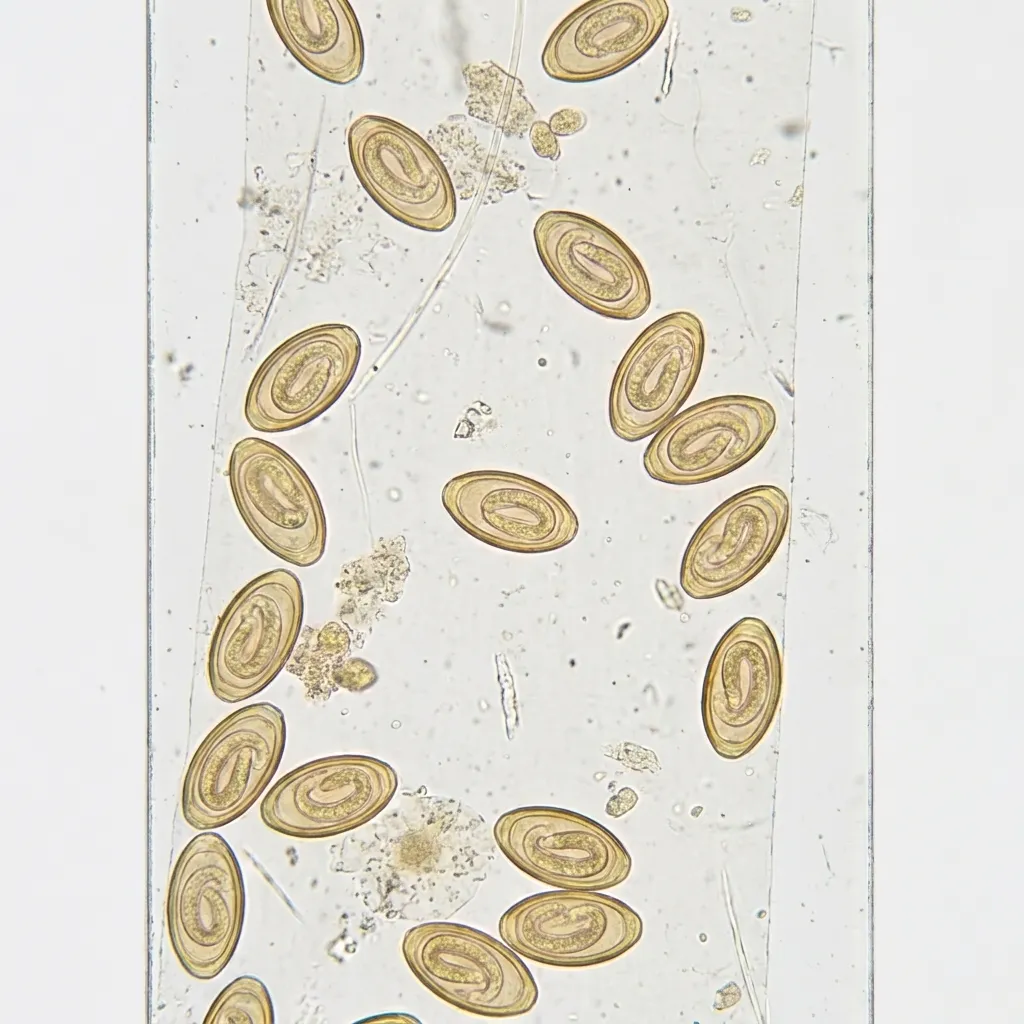
Enterobius vermicularis, the pinworm, is the most common worm infection in temperate countries. It spreads by eggs, thrives in households, and is easily cured.
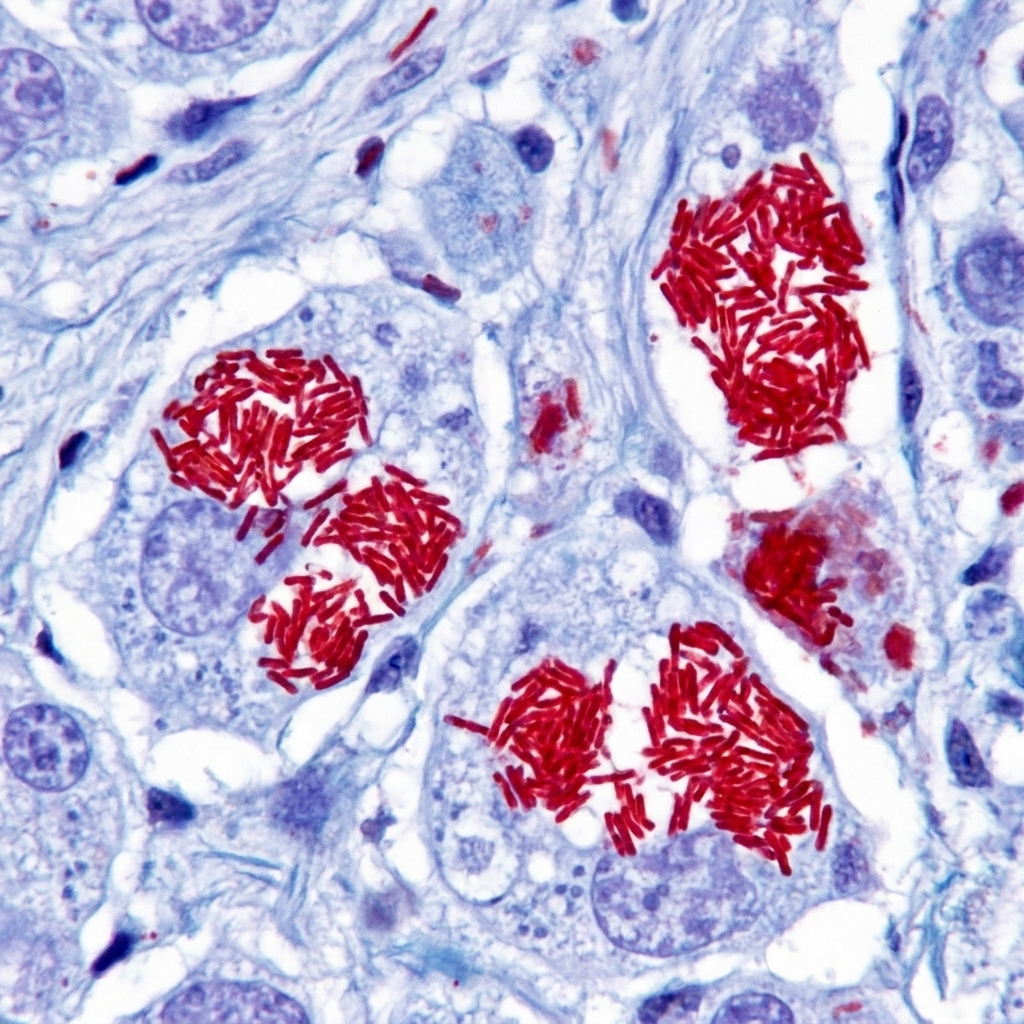
Mycobacterium leprae, cause of leprosy, is a slow-growing bacterium that targets nerves. Hard to catch and fully curable, yet still wrapped in stigma.
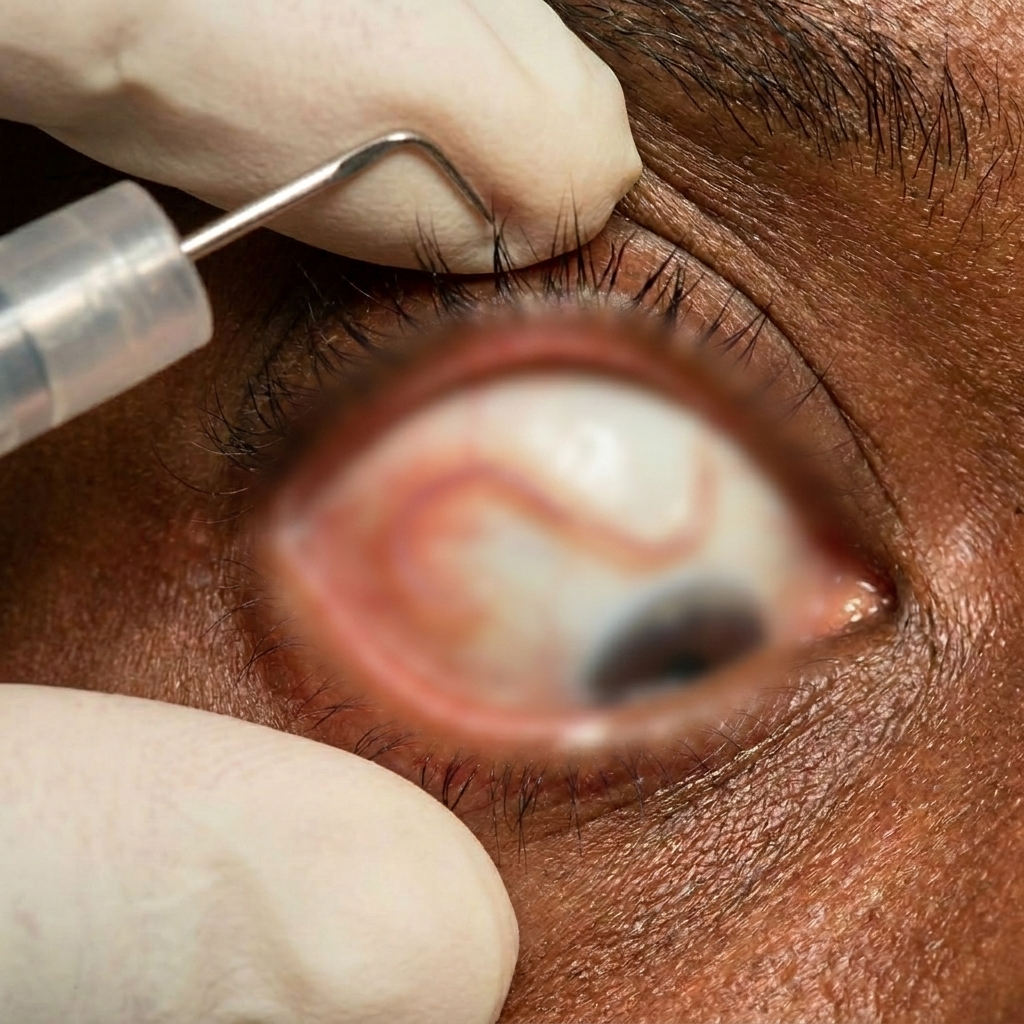
Loa loa is a parasitic worm spread by day-biting flies in African rainforests. Its adults migrate under the skin and across the surface of the eye.
A pistol shrimp snapping its claw creates a 5,000-Kelvin cavitation bubble and a shockwave louder than a gunshot. The physics of sonoluminescence explained.
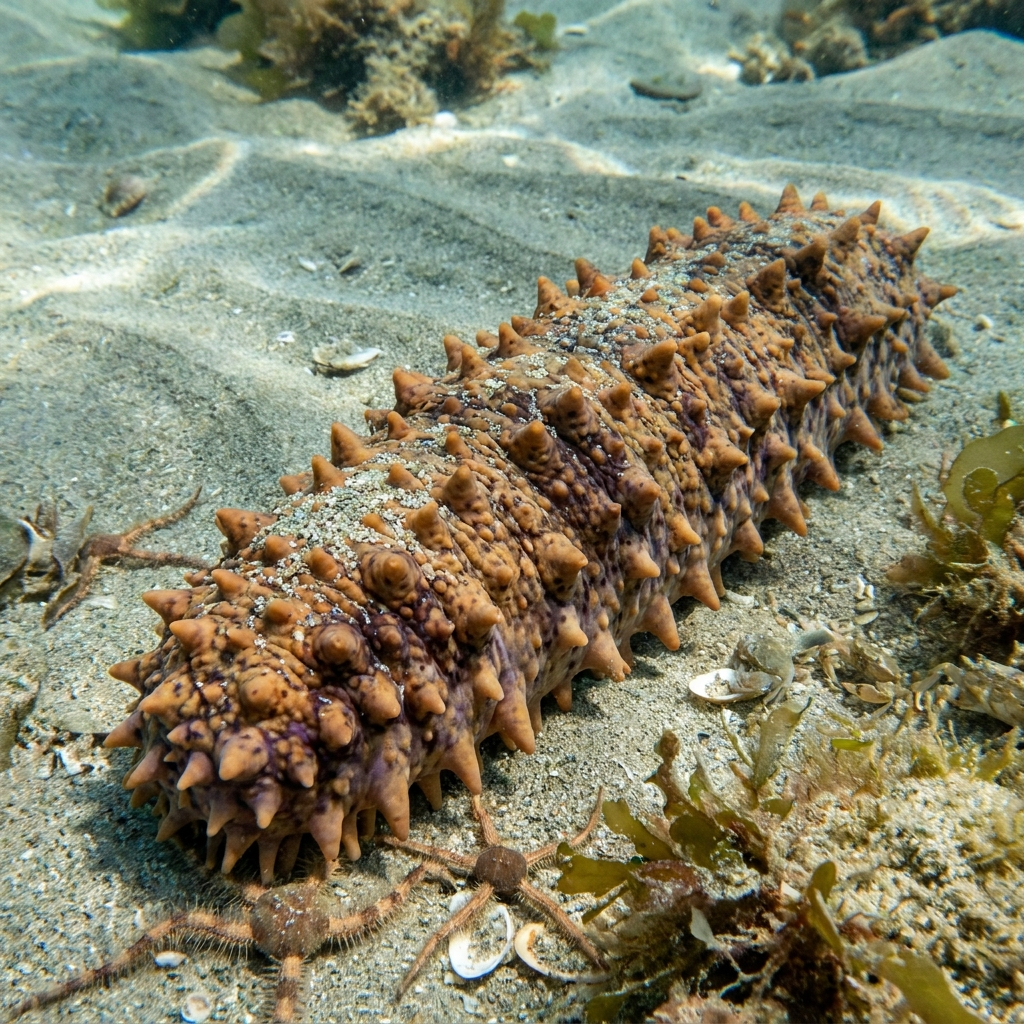
Sea cucumbers eject their organs at attackers and regrow them in weeks. How evisceration, Cuvierian tubules, and catch connective tissue work.
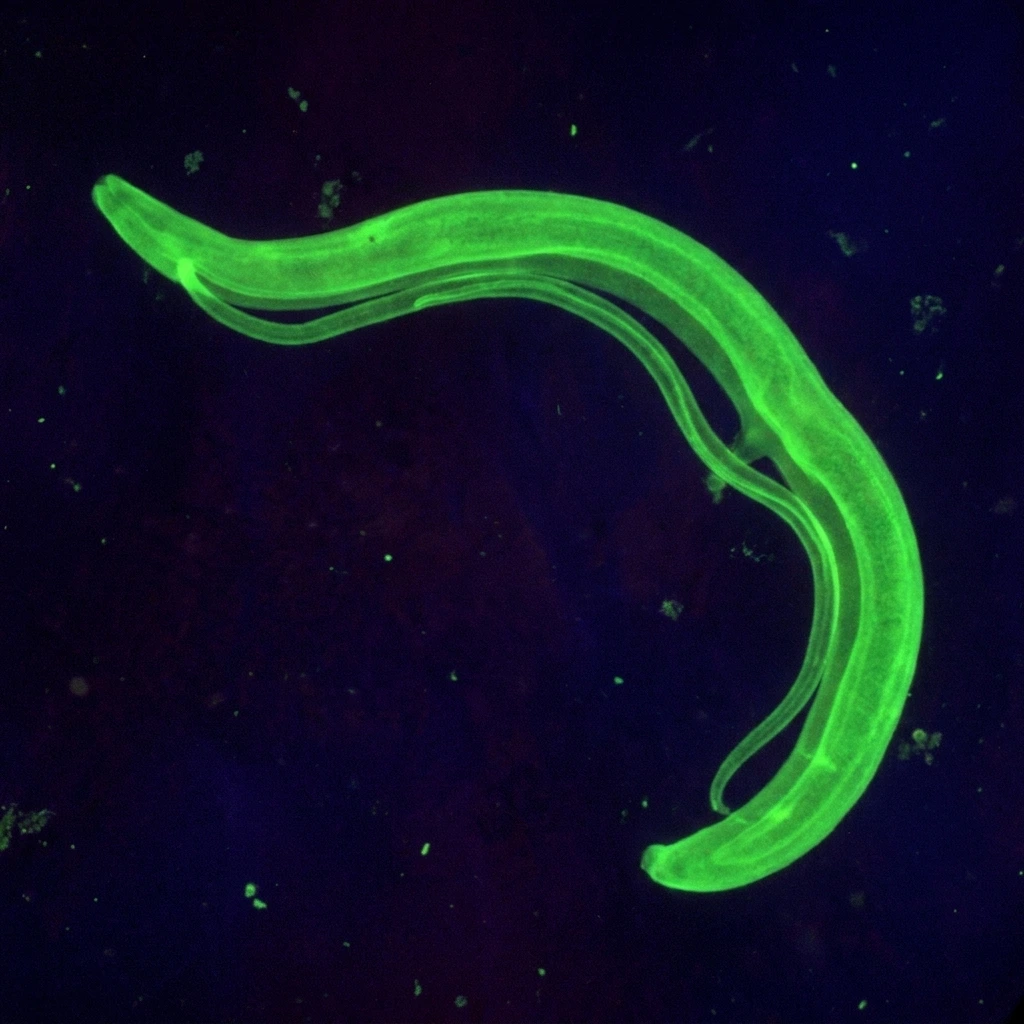
Schistosoma mansoni is a blood fluke spread by freshwater snails. Its larvae bore through skin, and its eggs — not the worms — cause the real damage.