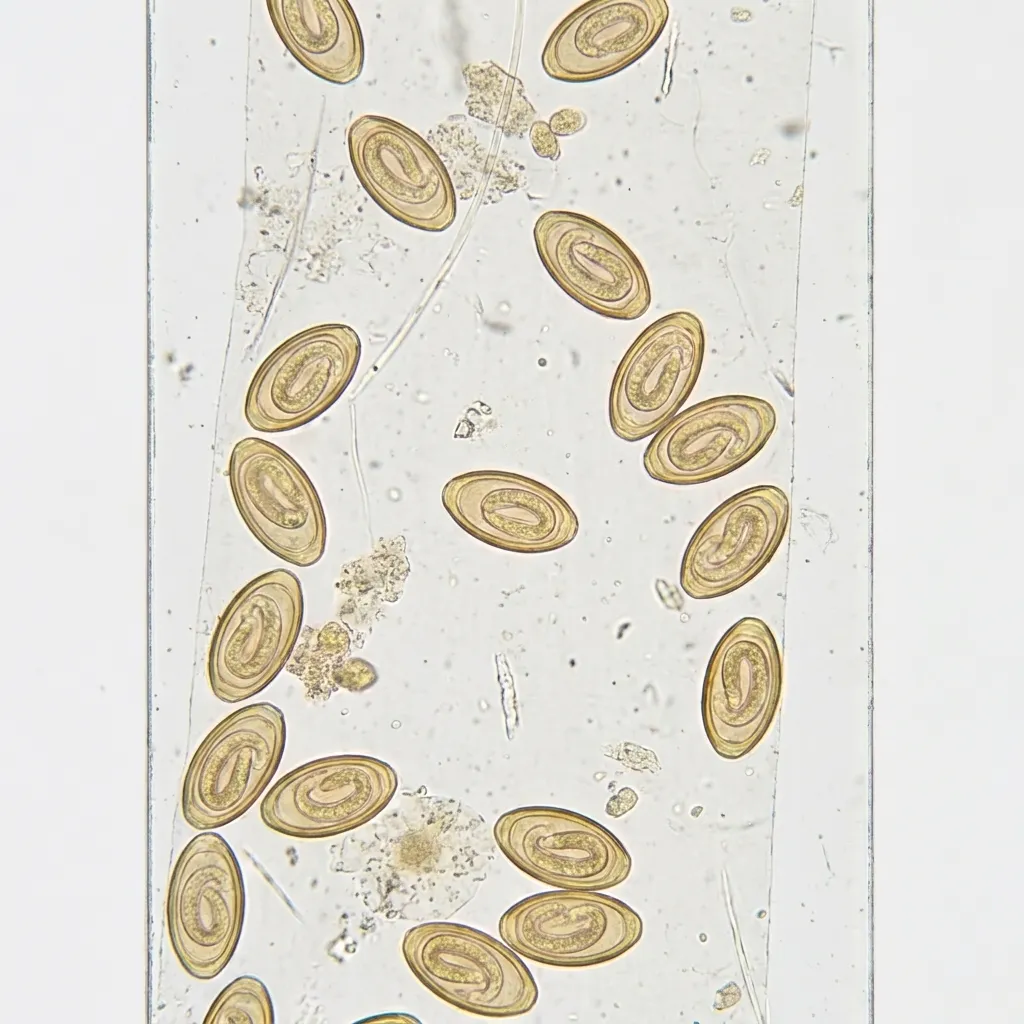
Enterobius vermicularis: The Pinworm That Lives Its Whole Life Inside Us
Enterobius vermicularis, the pinworm, is the most common worm infection in temperate countries. It spreads by eggs, thrives in households, and is easily cured.
Home / Parasites & Microbes
Articles about parasites & microbes on Animal Secrets — surprising biology, behavior, and natural-history facts.
Enterobius vermicularis, the pinworm, is the most common worm infection in temperate countries. It spreads by eggs, thrives in households, and is easily cured.
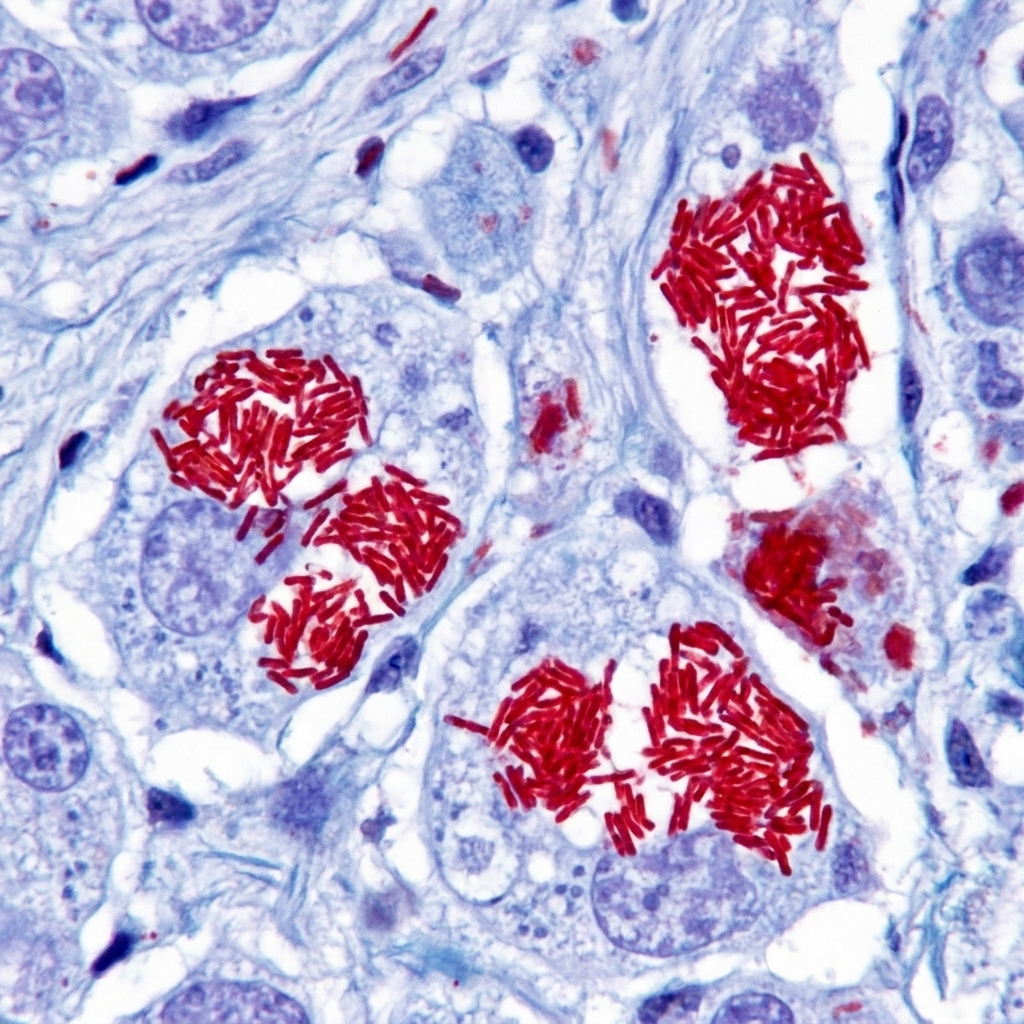
Mycobacterium leprae, cause of leprosy, is a slow-growing bacterium that targets nerves. Hard to catch and fully curable, yet still wrapped in stigma.

Loa loa is a parasitic worm spread by day-biting flies in African rainforests. Its adults migrate under the skin and across the surface of the eye.
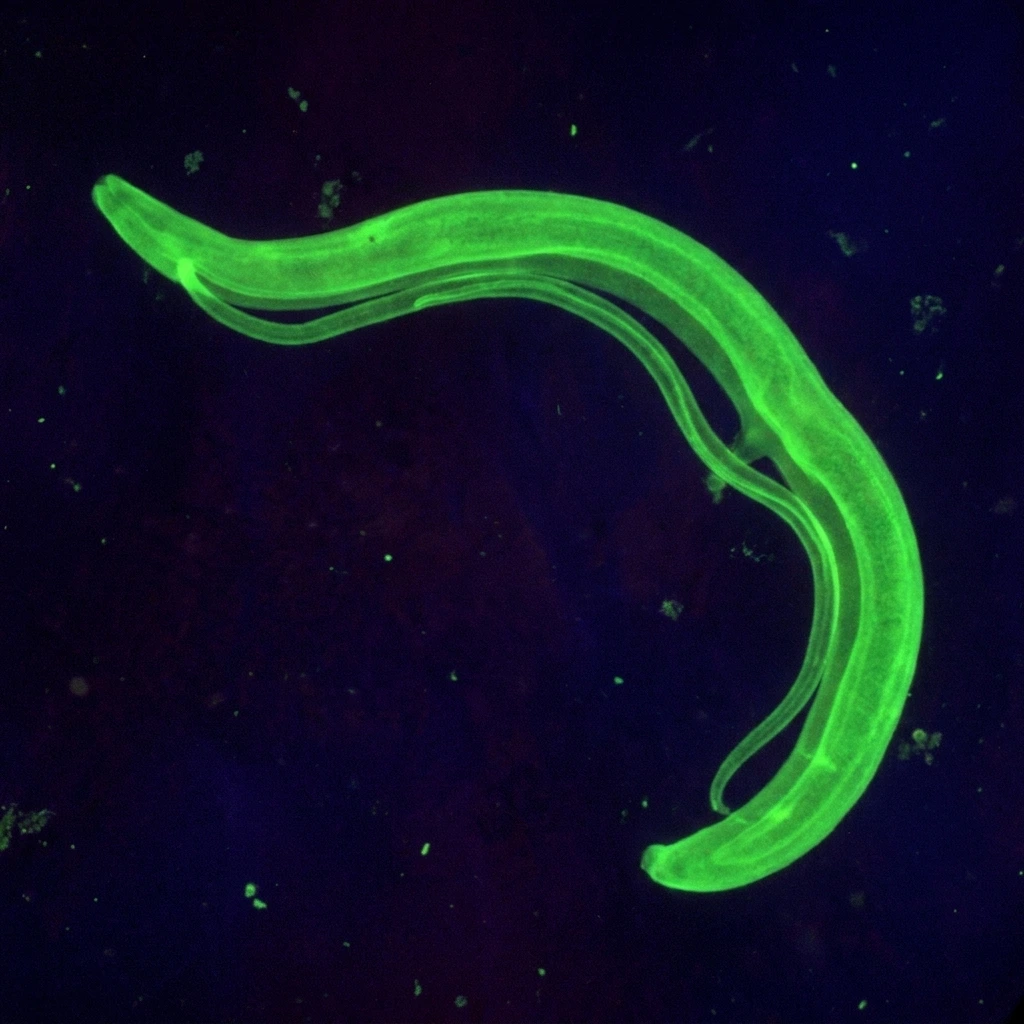
Schistosoma mansoni is a blood fluke spread by freshwater snails. Its larvae bore through skin, and its eggs — not the worms — cause the real damage.
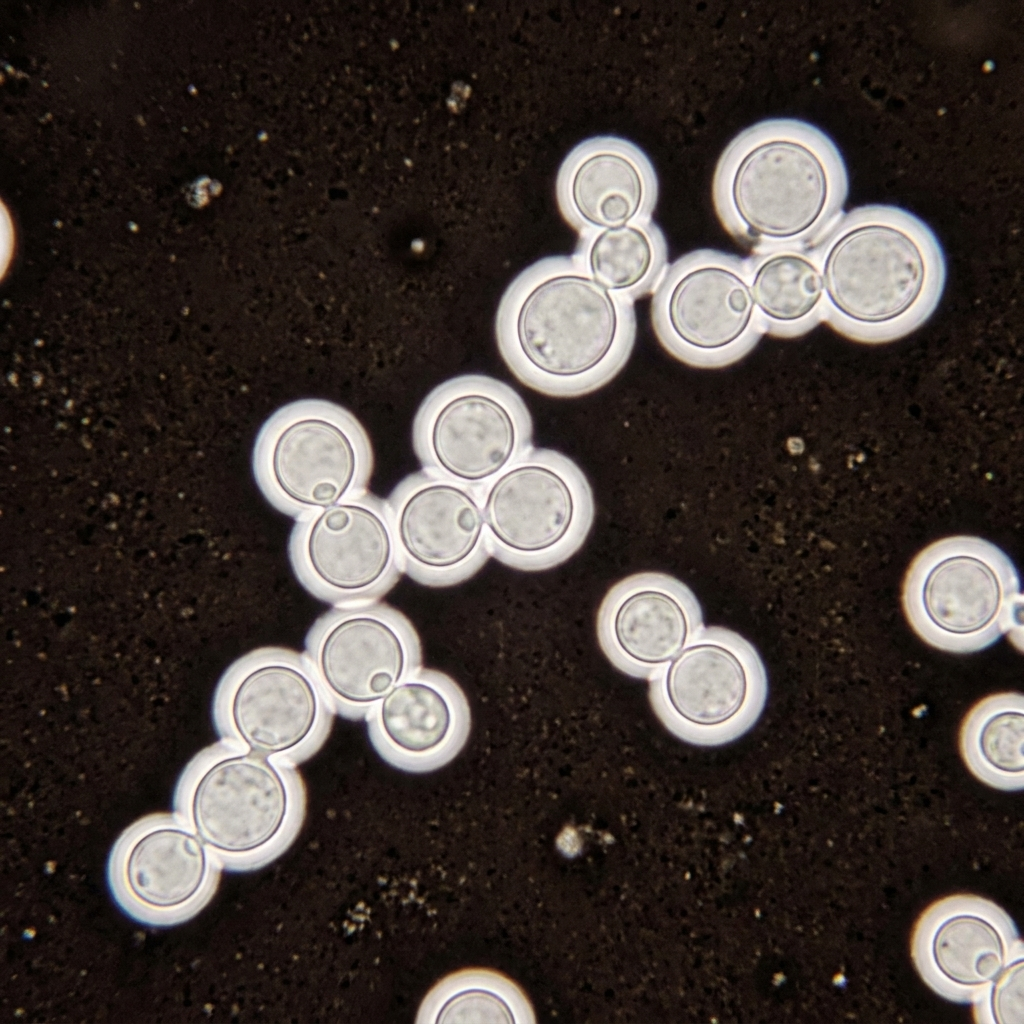
Cryptococcus neoformans hides in soil and aged bird droppings. Inhaled and unnoticed by most, it can cause deadly meningitis in vulnerable people.
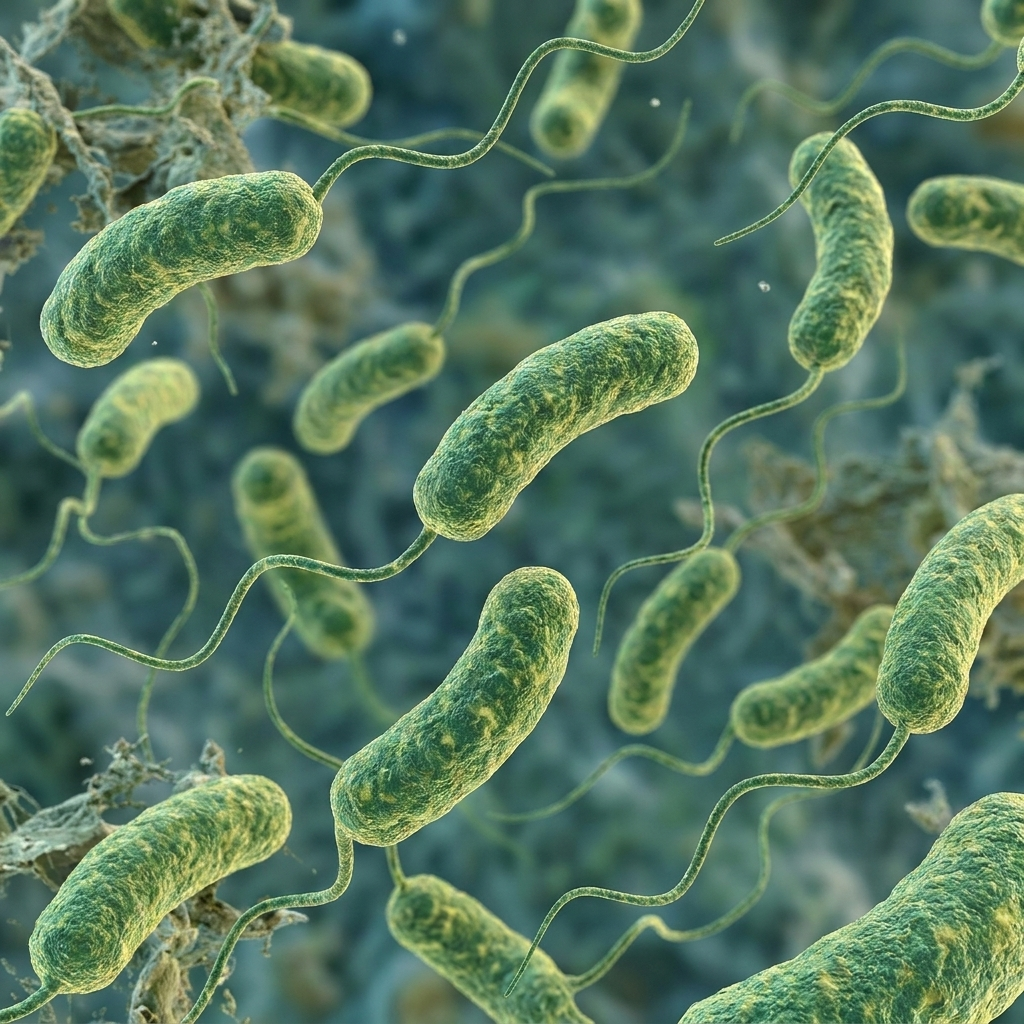
Vibrio vulnificus lives in warm brackish water and oysters. Harmless to most, it can cause rapidly fatal sepsis or flesh-destroying wound infections.
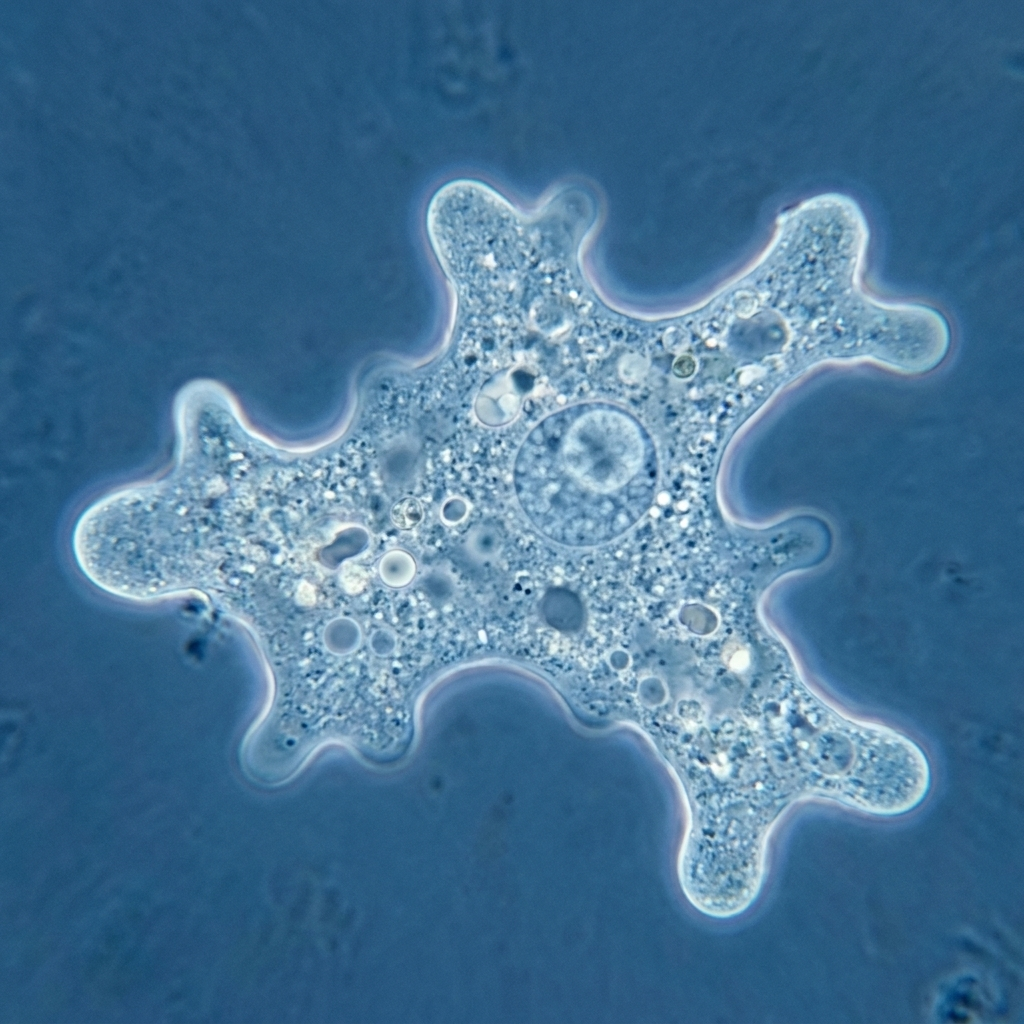
Balamuthia mandrillaris hides in soil, dust, and stagnant water. It rarely causes disease, but when it does, the brain infection is nearly always fatal.
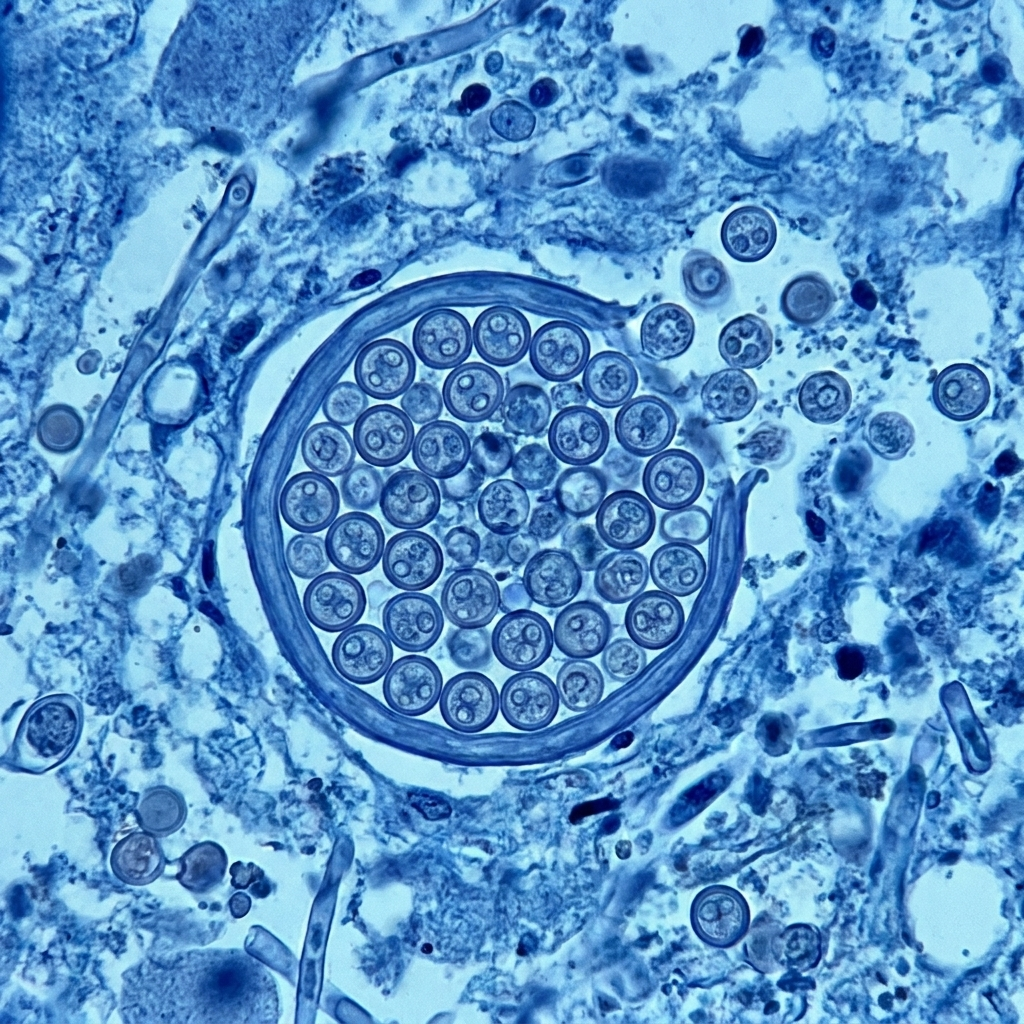
Coccidioides immitis lives in dry southwestern soil. A single inhaled spore can cause Valley fever — usually mild, occasionally life-threatening.
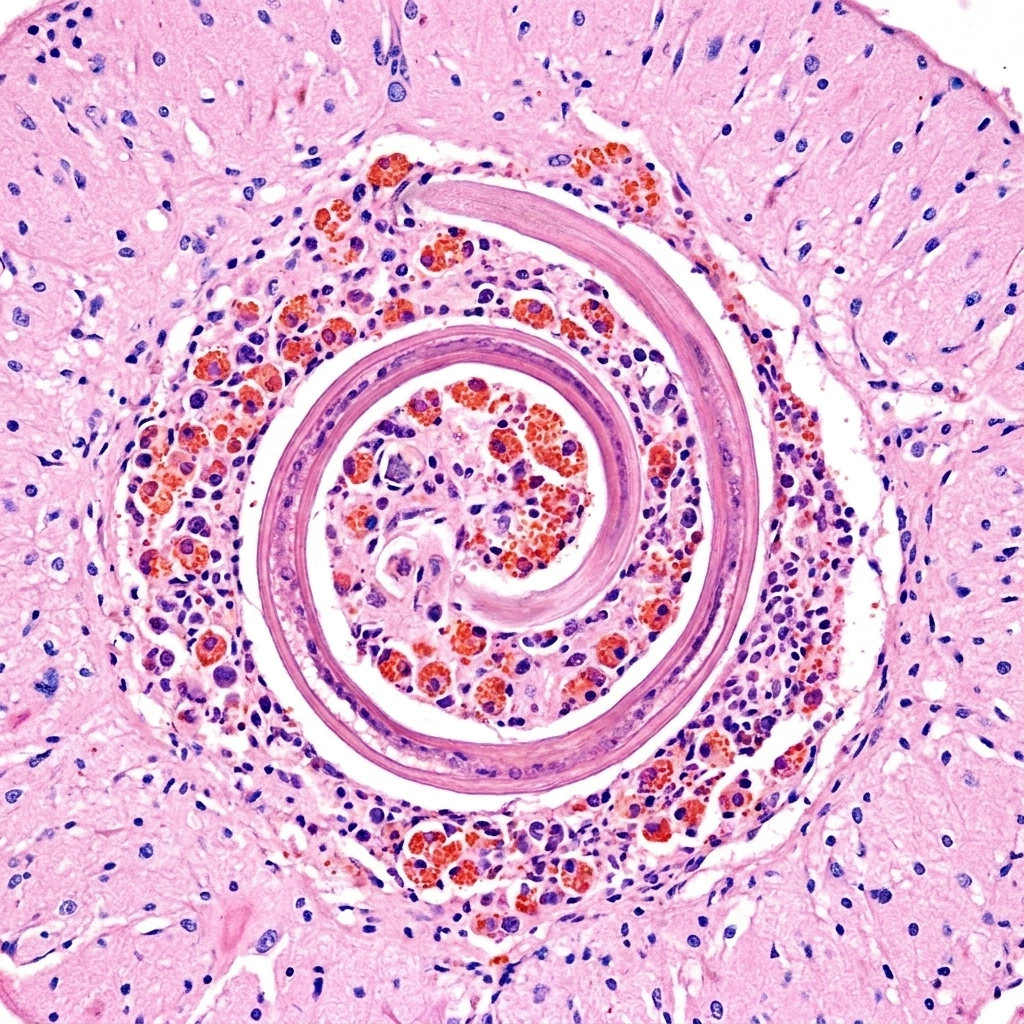
Angiostrongylus cantonensis, the rat lungworm, is the leading global cause of eosinophilic meningitis. How a worm meant for rat lungs ends up in human brains.
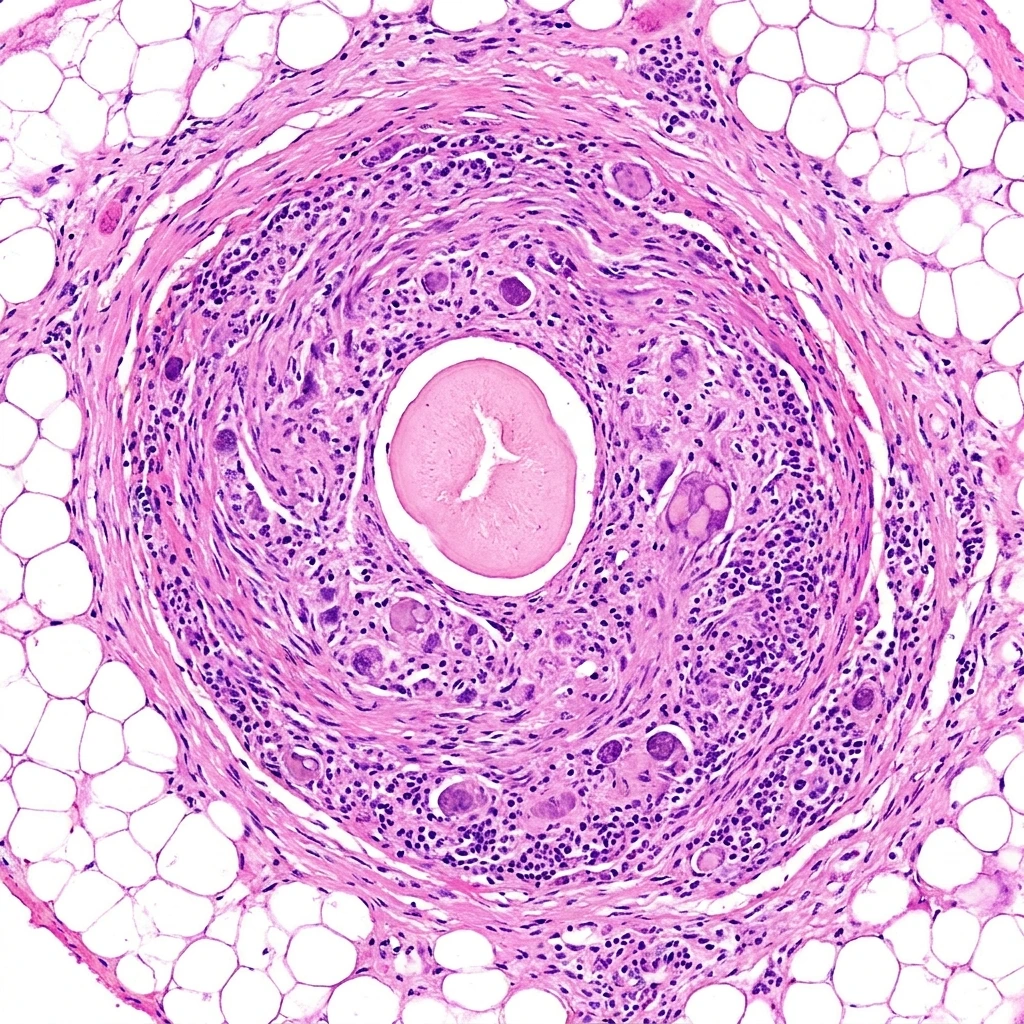
Spirometra erinaceieuropaei larvae can live and migrate inside a human host for over a decade, sometimes ending up in the brain. The biology of sparganosis.
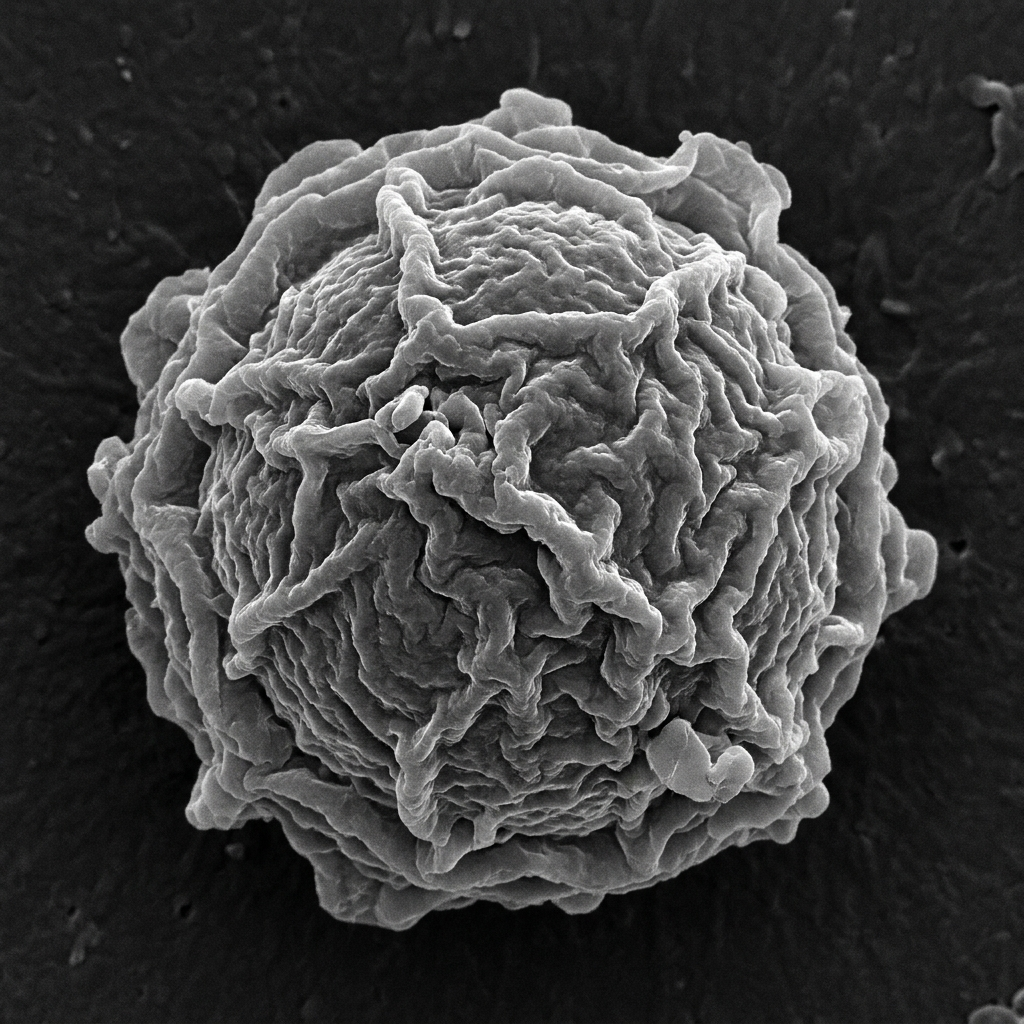
Acanthamoeba lives everywhere — tap water, soil, ocean. Its armored cysts resist almost everything. Under the right conditions, it infects the eye or brain.
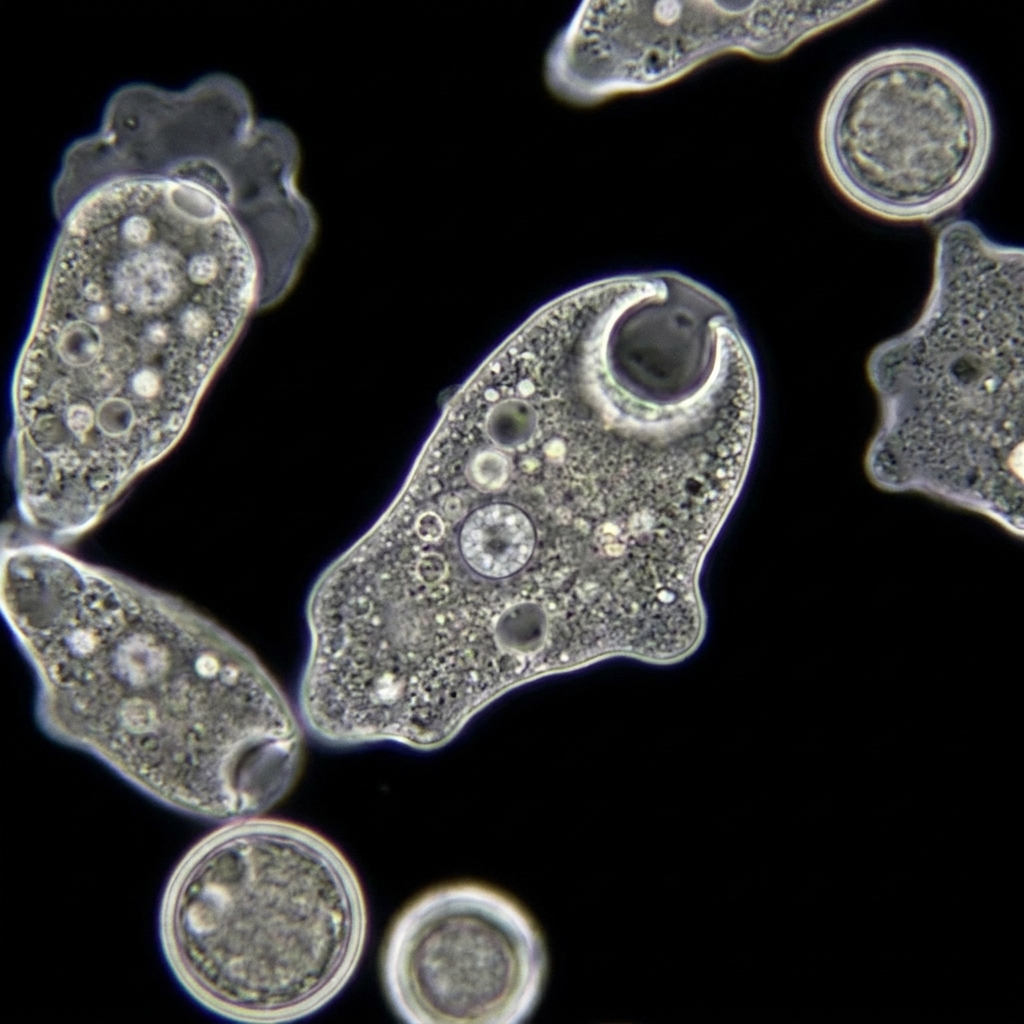
Naegleria fowleri is a heat-loving amoeba that lives in warm freshwater. The biology behind why a single-celled organism can reach the human brain.